Features
Elijah Appelson

Filter Projects

Tracking 287(g)

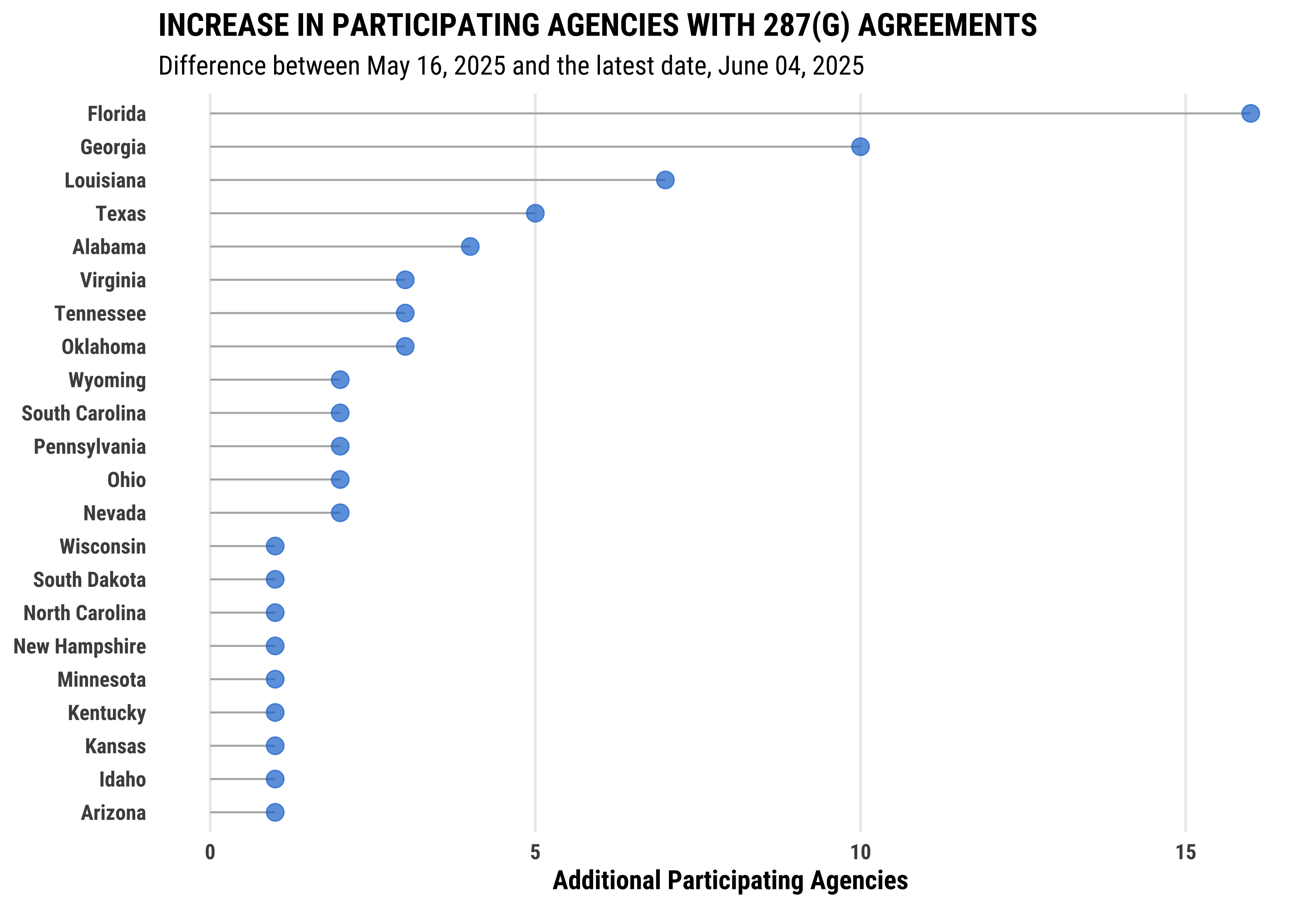
This project automates the process of extracting data from the official ICE 287(g) page of law enforcement agencies working with ICE to detain and deport immigrants. Every day, the scraper collects participating and pending agencies and PDF copies of memoranda of agreement between ICE and local law enforcement agencies. This tool ensures that data is continually captured, preventing ICE from removing previous records from public access.

Scraping
Tracking 287(g) screenshot

ELMER Report for the UN Human Rights Council

In collaboration with RFK Human Rights and ACLU National, I helped create the ELMER Report for the UN Human Rights Council, detailing key legal pitfalls in policing, such as statutes of limitations and the Heck doctrine. The findings draw on extensive research including the “One vs. Two-Year Statute of Limitation Impact Factsheet,” challenging the notion that shorter statutes of limitations improve legal outcomes.

Analysis
ELMER Report graphic

Analysis of New Orleans Police Department Use of Force, 2016 - 2024

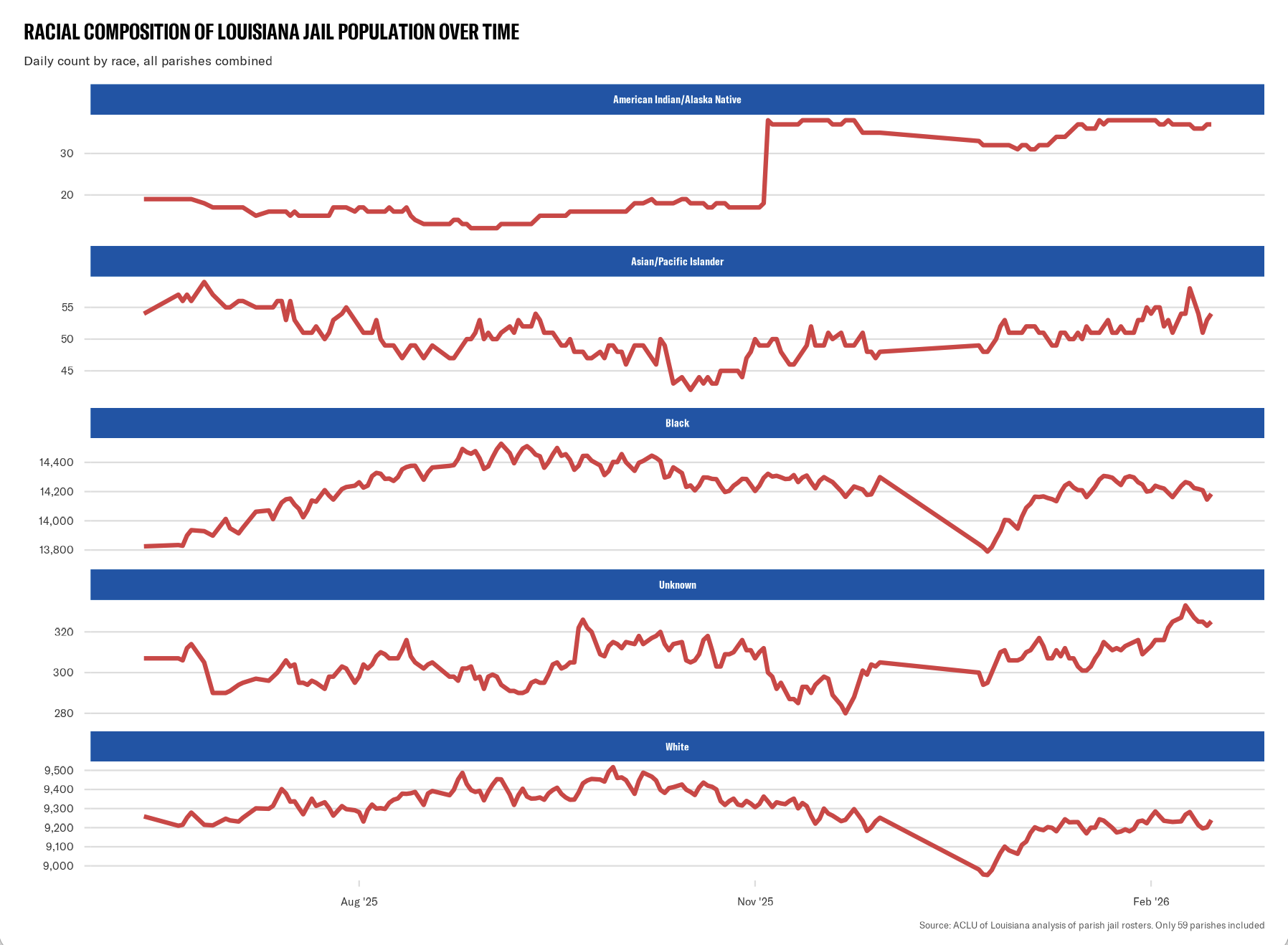
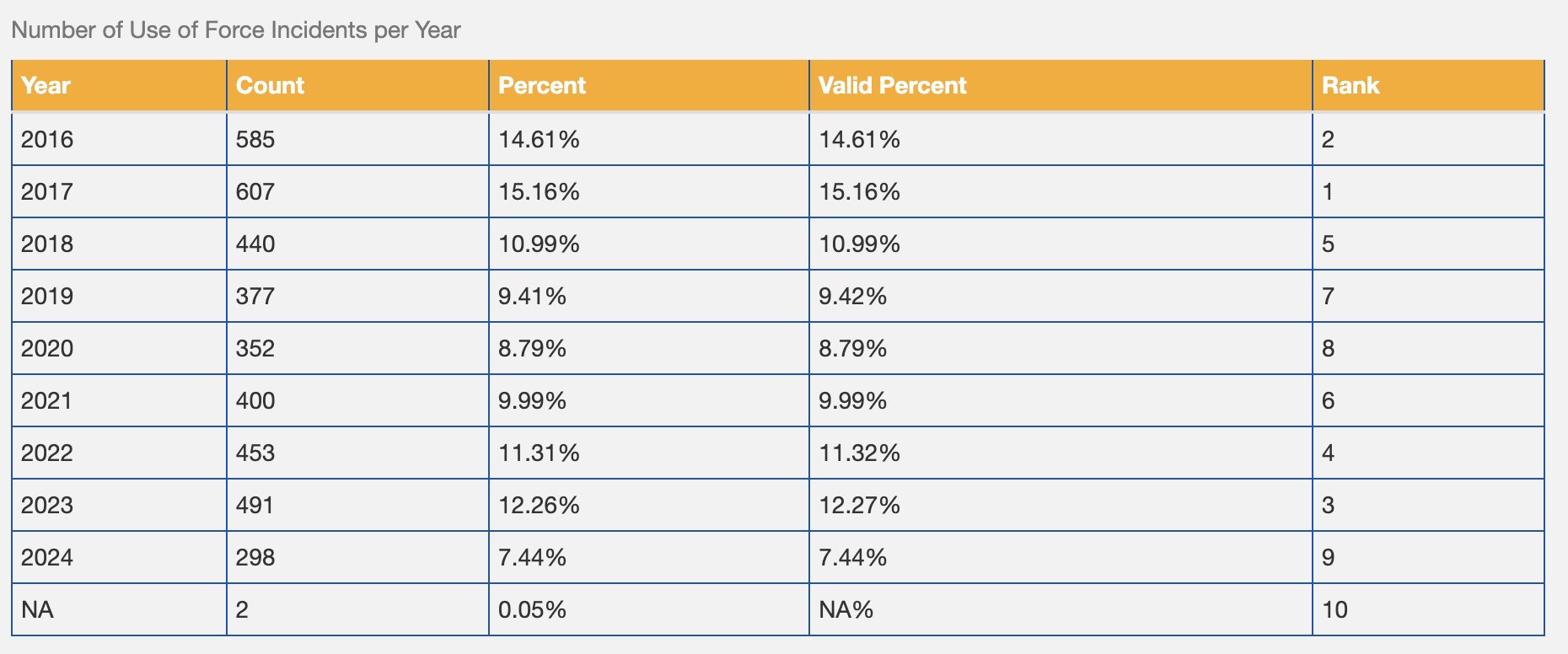
Analyzed New Orleans Police Department (NOPD) use of force data from 2016–2024. Despite claims of decline, incidents rose to 491 in 2023, the third-highest since 2016. Over 80% involved Black individuals, and injury rates have consistently exceeded 21% since 2019, up from 12–17% in earlier years.

Analysis
NOPD use of force analysis chart

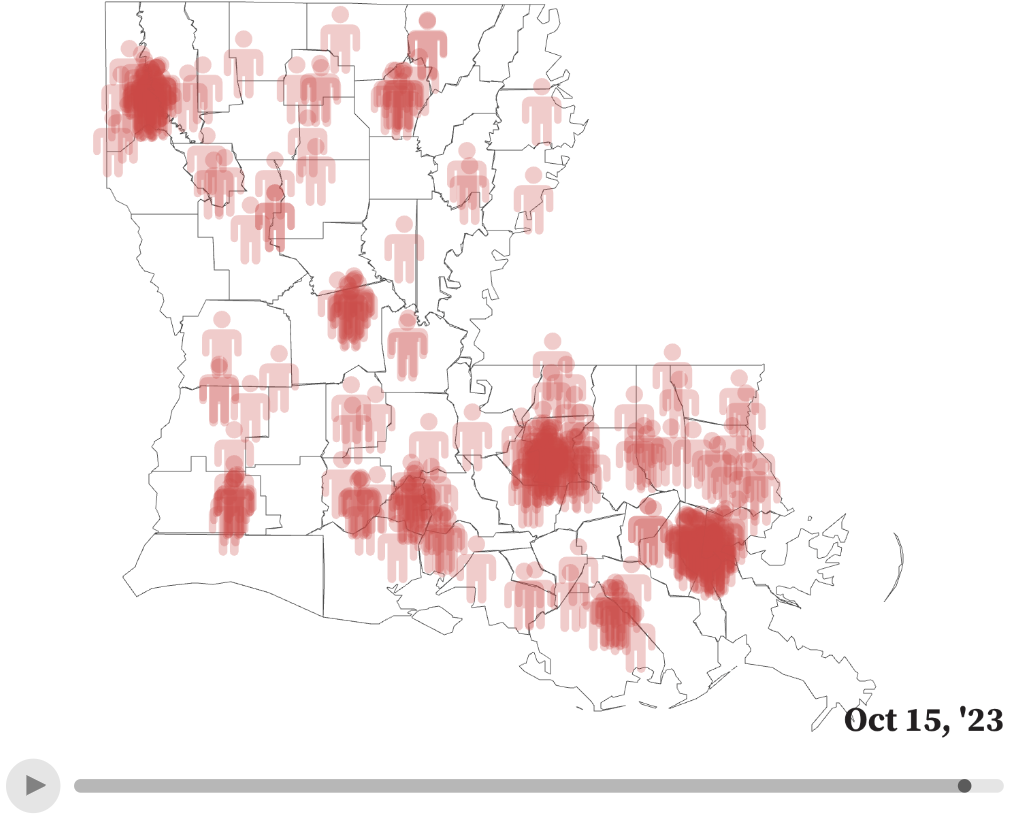
Police Violence in Louisiana: By the Facts

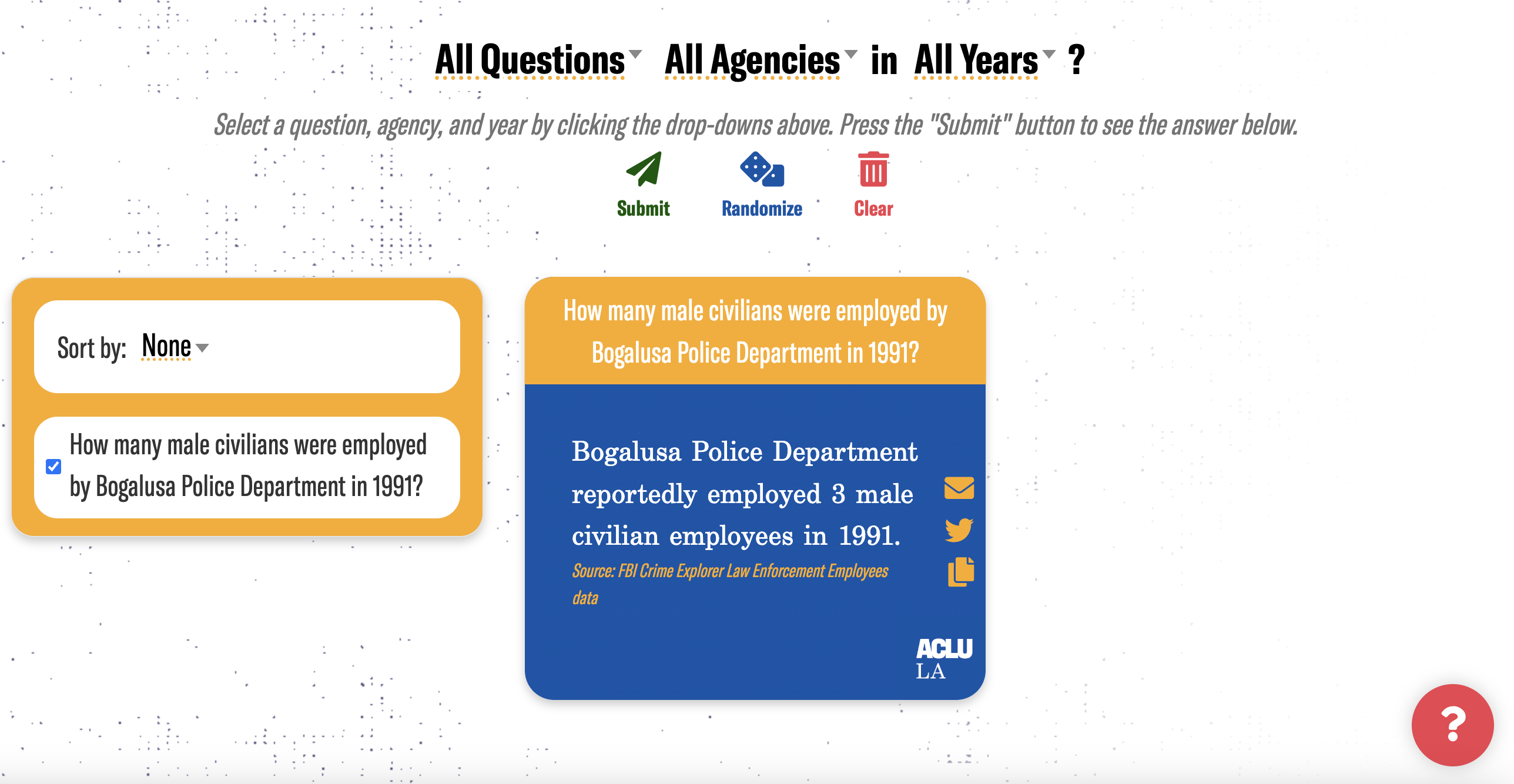
This comprehensive project contains 55 unique questions regarding police killings, misconduct, and personnel from 330+ law enforcement agencies across Louisiana spanning 60+ years, for a total of 120,000+ quick facts. We created this project to make actionable insights easy to search, find, and share.

Analysis Visualization
Police violence data visualization

Tracking Law Enforcement Support Office (LESO) 1033 Data

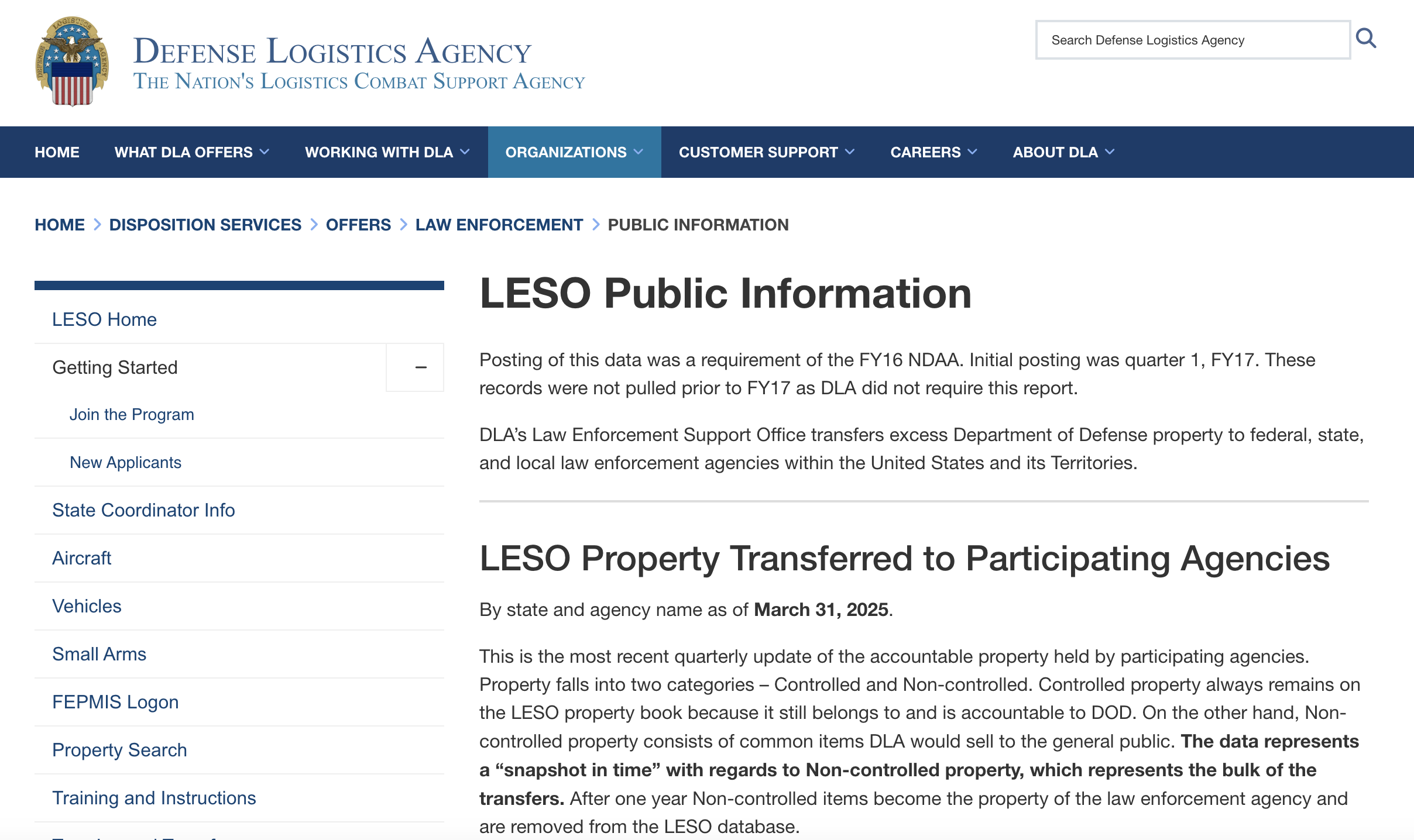
This repository automates the process of downloading public information related to military equipment owned by law enforcement agencies from the Law Enforcement Support Office (LESO) website. The scraper downloads all available Excel files from the LESO Public Information page. The scraper runs on the 10th day of every month and saves the downloaded files in directories named by the date they were retrieved.

Scraping
LESO 1033 data project

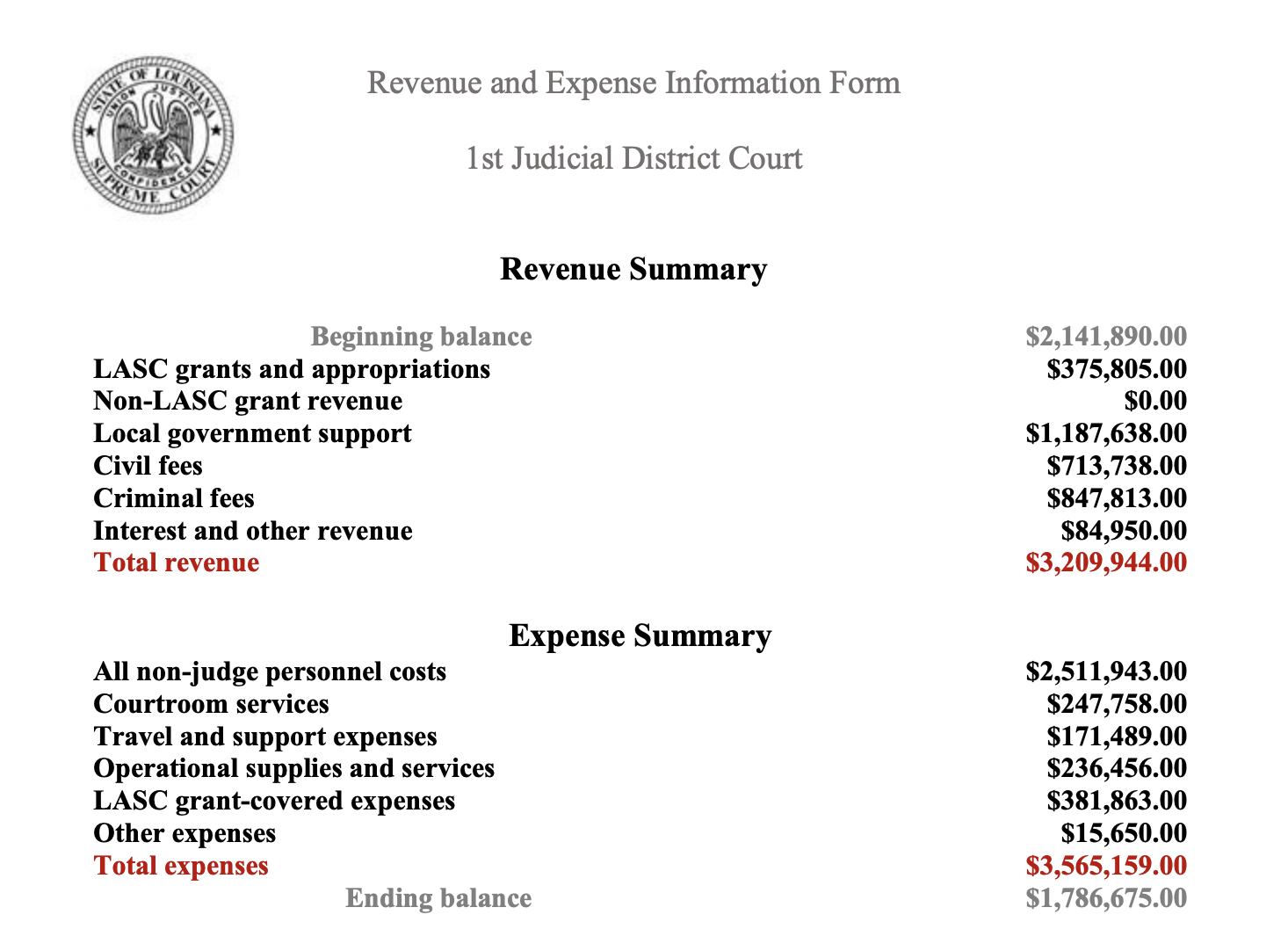
Louisiana Court Budget Scraper

Wrote a script to scrape and extract criminal funding from Revenue and Expense Information Forms from all courts in Louisiana. This code turns the PDFs into a single dataframe with variables: Court; Criminal Court Funds; Revenue; Expenses; Court cost fees, bond forfeitures, bail fees; Criminal service, processing, and administrative fees; Supervision and special program fees; Special revenue fees; Criminal contempt, other fines; and total criminal spending for all courts.

Scraping Machine Learning Analysis
Court budget analysis graphic

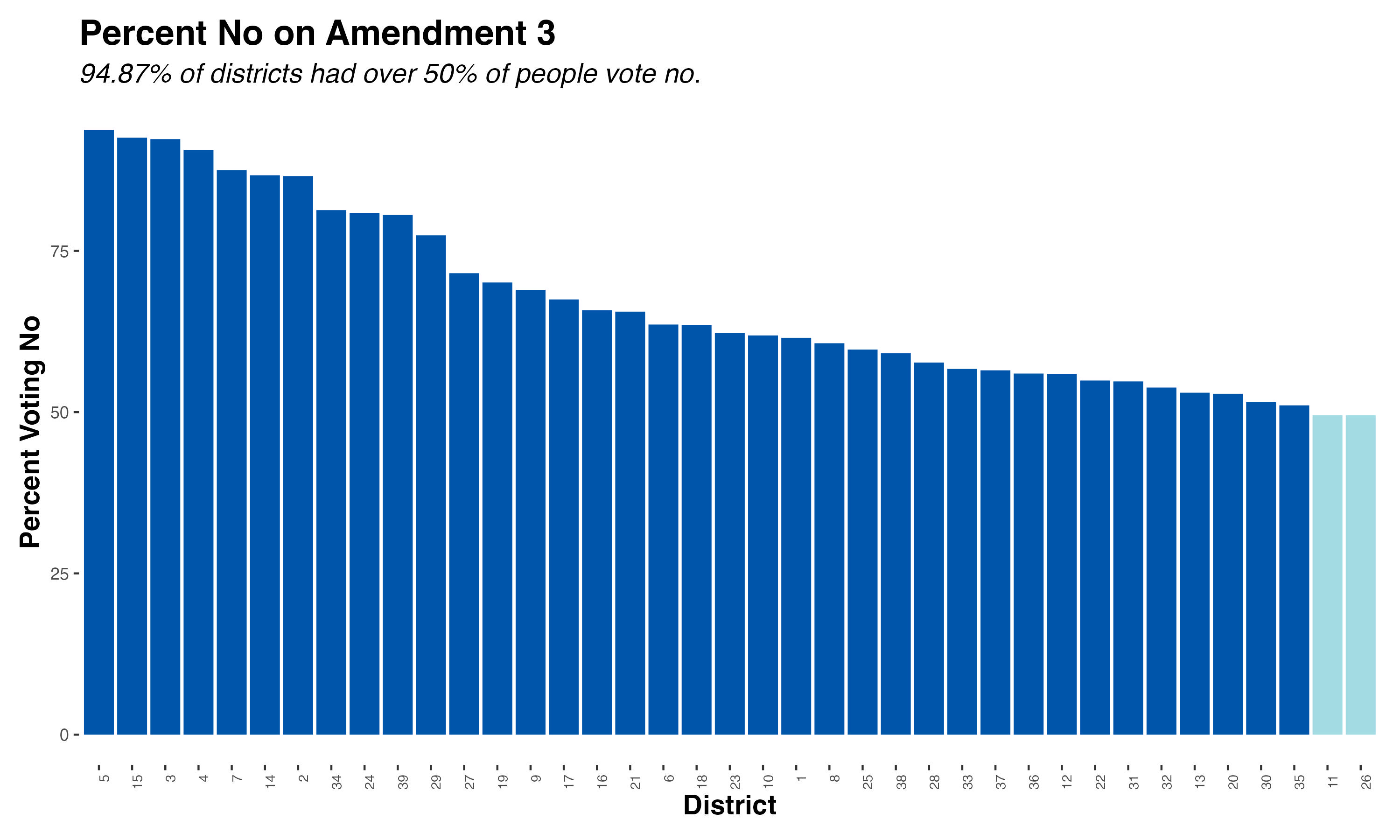
Louisiana Voting Data Analysis

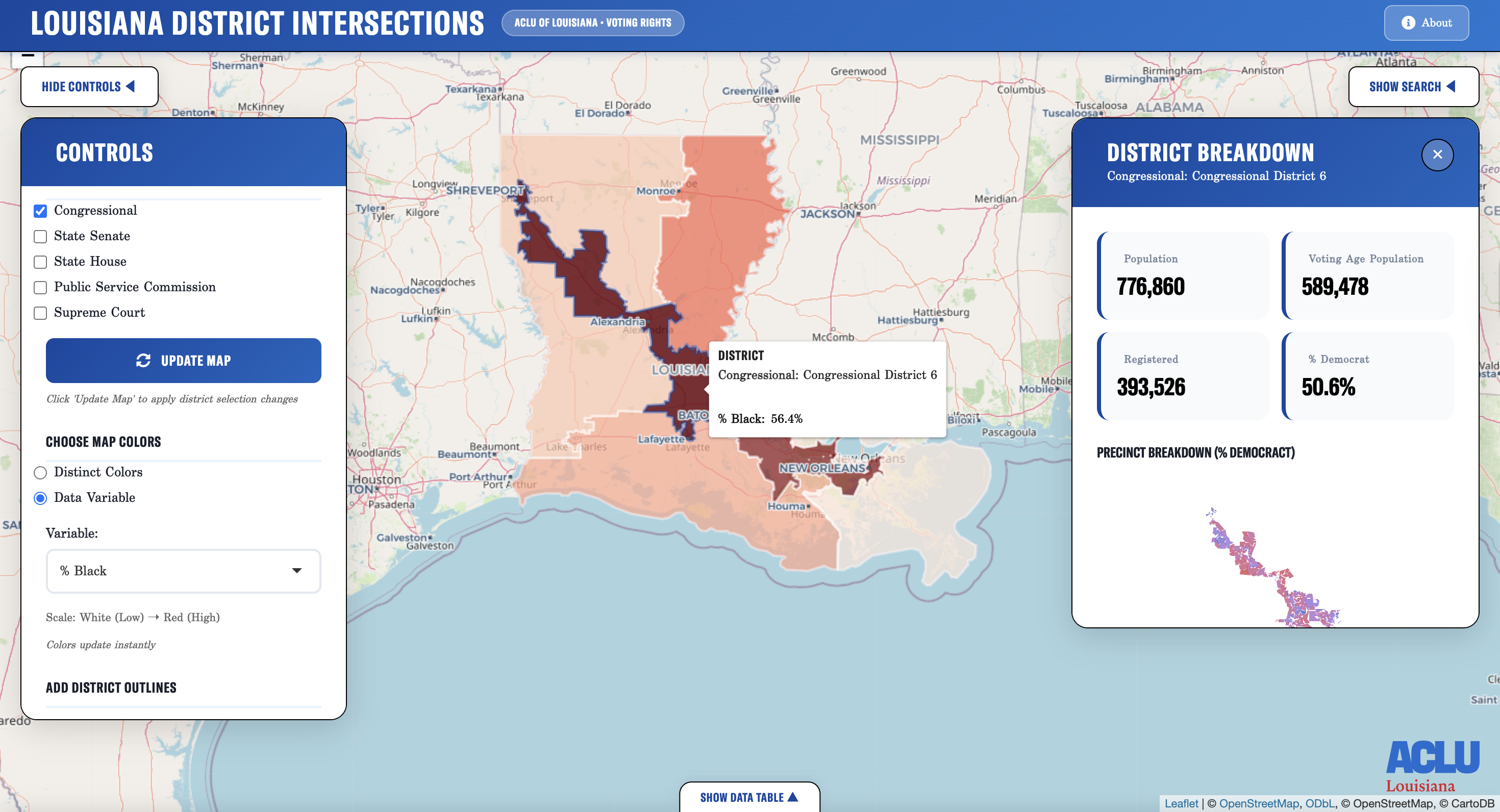
This project was created to download precinct-level voting data from the March 28, 2025, Louisiana election, convert those precincts into Senate and House districts, and analyze the proportion of people who voted against Amendments 1 through 4 per district. This involved using OCR to download information from public records requests, finding hidden voting-data APIs, and much more.

Scraping Analysis Visualization Machine Learning
Voting data visualization

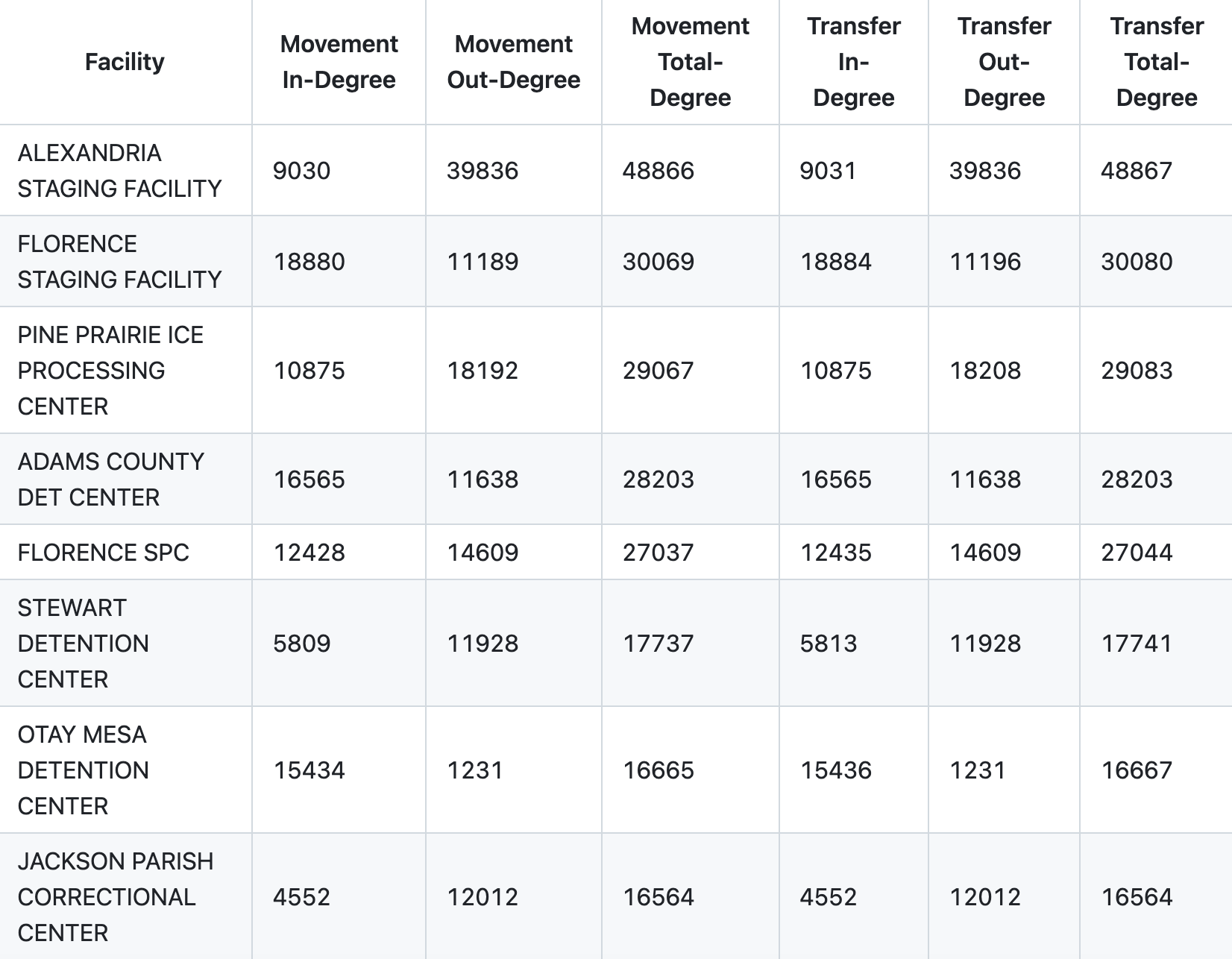
A Network-Based Examination of Detention Facility Movements

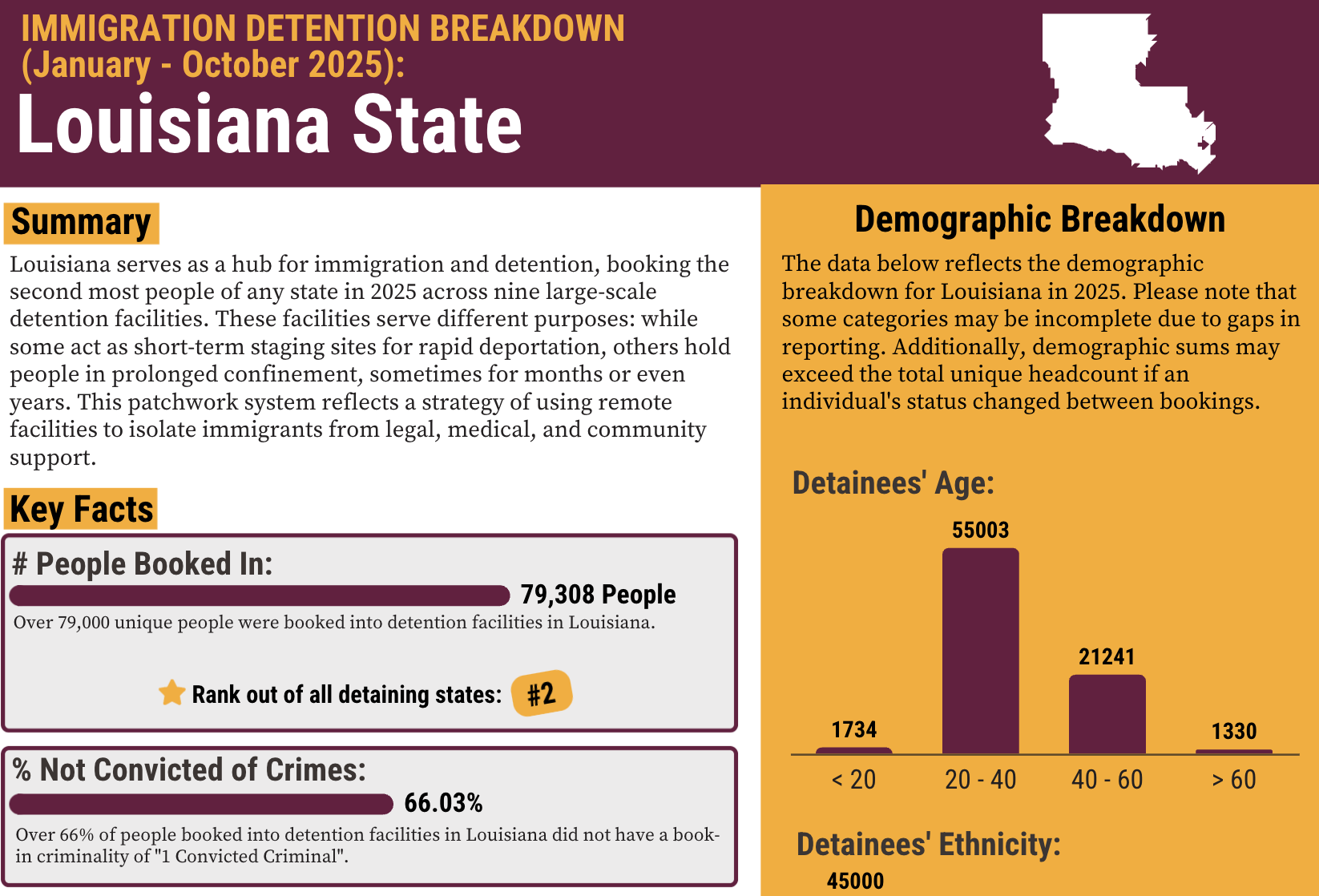
This study applies network analysis to the examination of detention transfers within the U.S. immigration detention system from mid-November 2023 to mid-February 2025. Utilizing data obtained from the Deportation Data Project, we characterize the patterns and pathways of detainee transfers across 617 detention facilities. The purpose of this research is to answer: 1) What are the common pathways of detainee movement? 2) Which facilities/states function as primary hubs for intake, transfer, or deportation?

Analysis Machine Learning
Network graph of detention movements

Visualization Police Violence in Louisiana

The Visualizing Police Violence in Louisiana dashboard, launched in January 2024, consolidates data on misconduct, police killings, and personnel into a single, easy-to-access platform. The goal of this project is to enhance data accessibility, stewardship, and hold law enforcement agencies in Louisiana to account.

Visualization Analysis Machine Learning
Project Image

Key Statistics Visualization for Justice Lab Cases

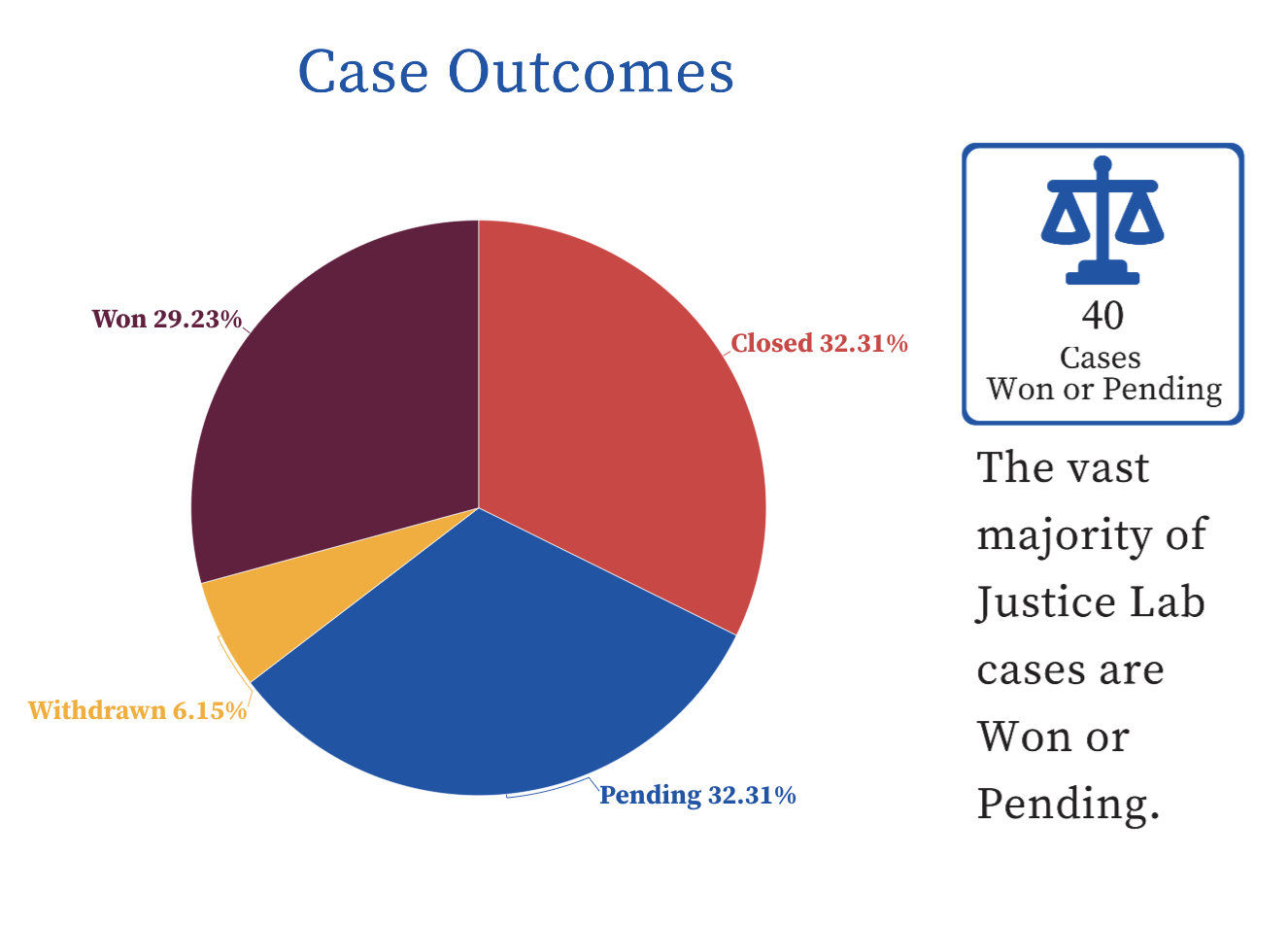
The Key Statistics dashboard for Justice Lab was launched to offer the public and attorneys an accessible, digestible graphic showcasing the remarkable work of the Justice Lab initiative.

Visualization Analysis
Project Image

Juvenile Crime In Louisiana, by the Numbers

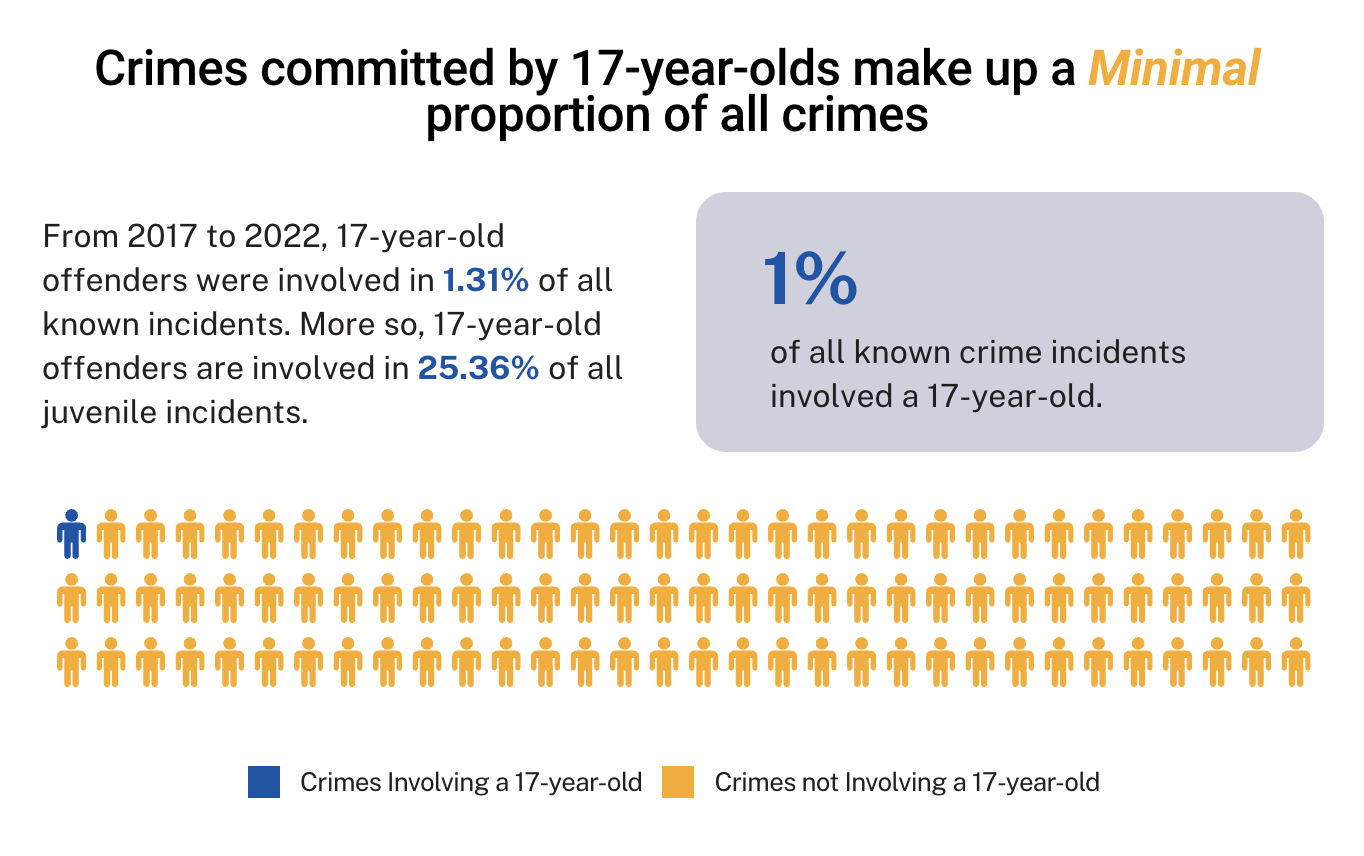
The Juvenile Crime In Louisiana, by the Numbers one-pager features a novel analysis of two leading arrest datasets UCR and NIBRS, revealing that youth crime is decreasing in Louisiana despite prevailing narratives.

Visualization Analysis
Juvenile Crime Analysis

Washington et al. V. Smith et al.

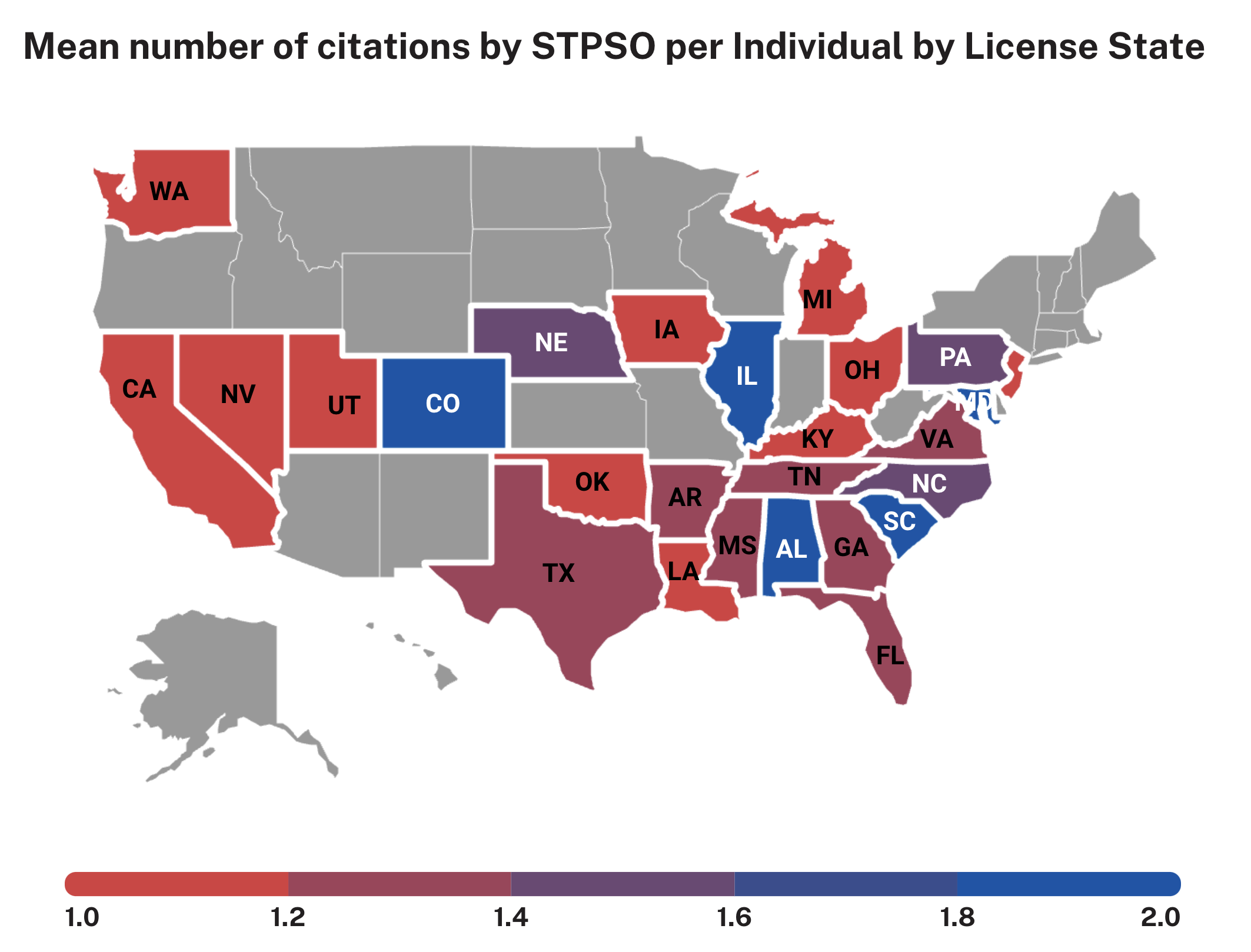
The Washington et al. V. Smith et al. data analysis aims to demonstrate that the St. Tammany Parish Sheriff’s Office discriminates against African Americans through their traffic stops. This research includes a large-scale predictive analysis of the demographics of those stopped and optical character recognition of citation PDFs. Specifically, from January through November 2023, I found that Black individuals in St. Tammany Parish were 250% more likely to be stopped for alleged traffic violations than white individuals.

Analysis Machine Learning Scraping
Washington 2 Lawsuit

Clustering and Classifying Misconduct Allegations in Louisiana

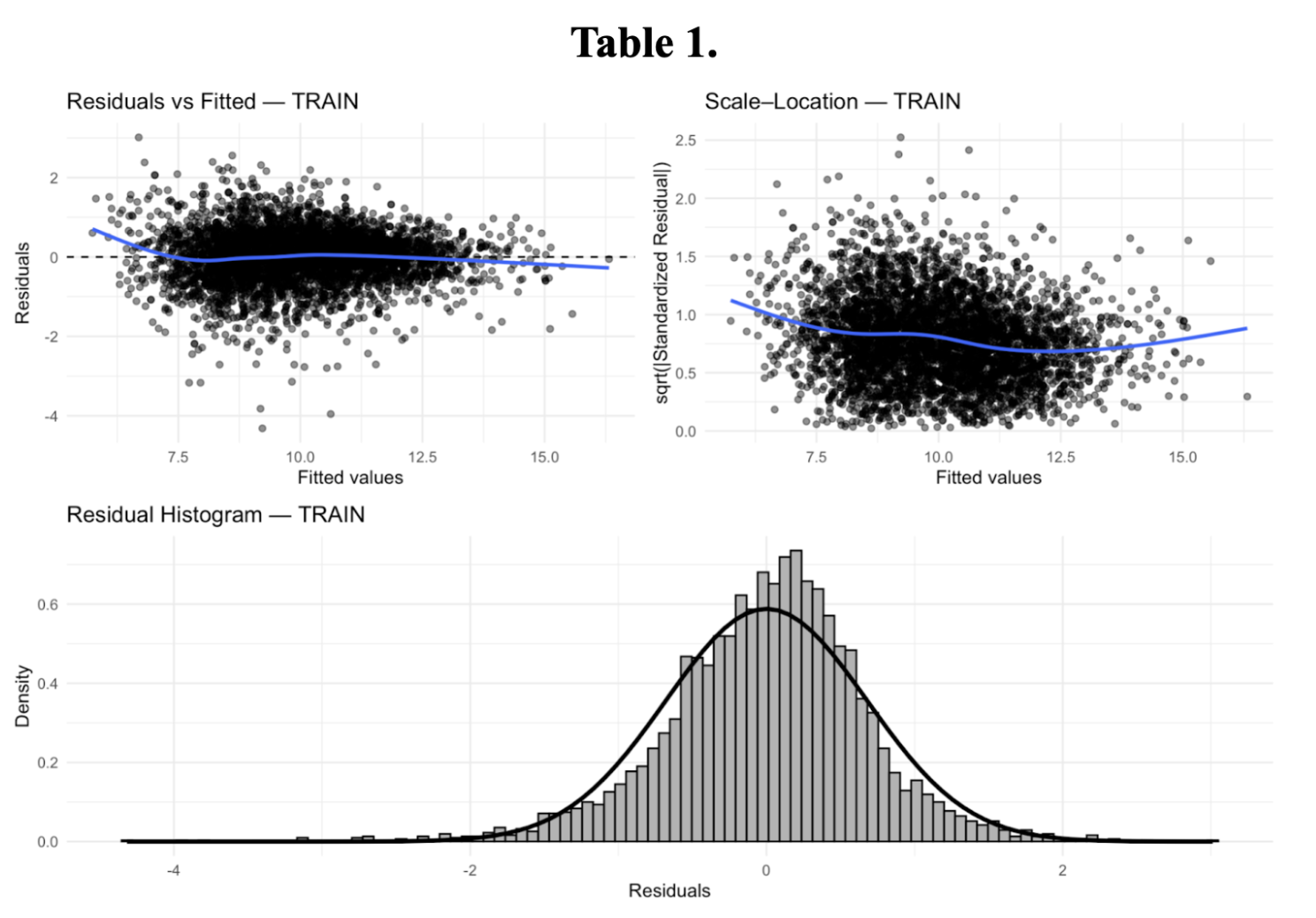
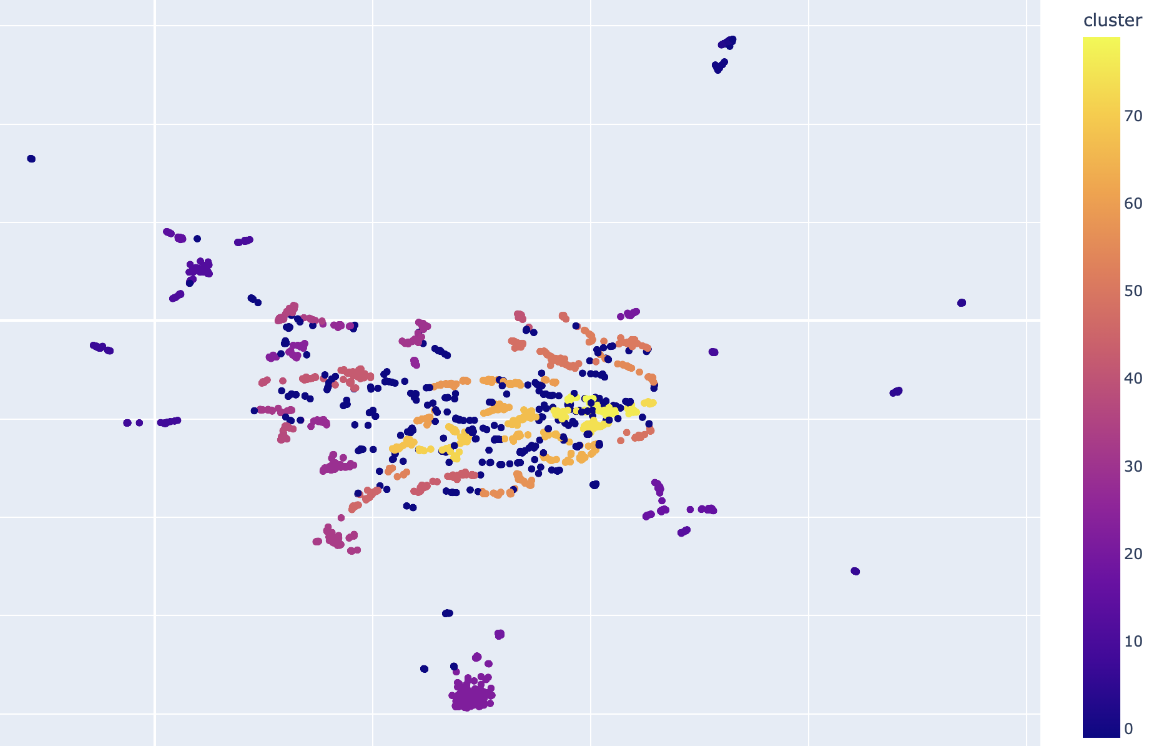
The Clustering and Classifying Misconduct Allegations in Louisiana analysis was used to solve the NLP problem of categorizing police misconduct. Specifically, I developed an algorithm to cluster misconduct allegations using TF-IDF, MiniLM, DistilBERT embeddings and HDBSCAN clustering, and to multi-classify them with Support Vector Classification. This approach effectively organizes and analyzes large sets of textual misconduct allegations, making them actionable data points.

Machine Learning
Unsupervised Text Clustering

The Advocate Media Analysis

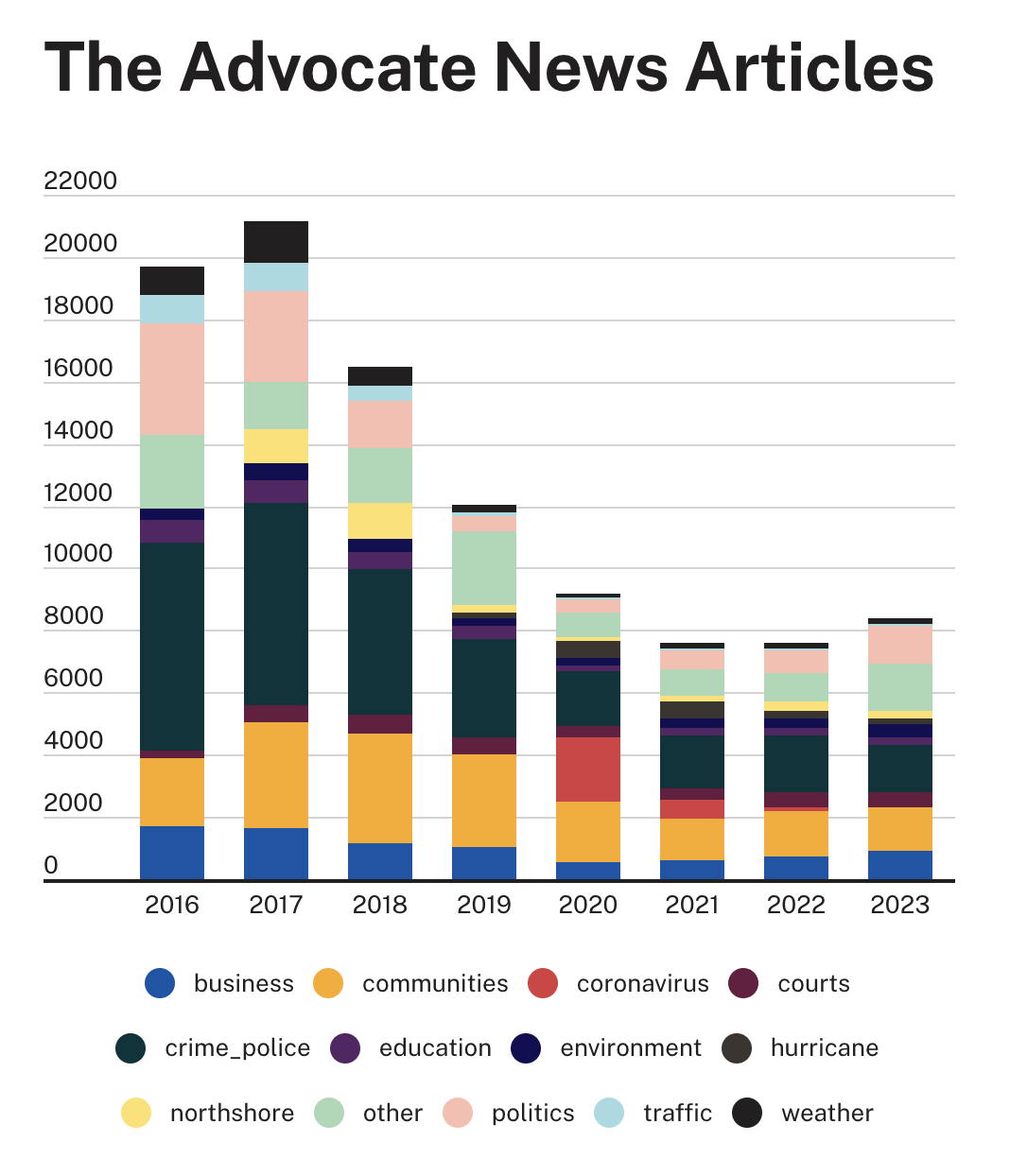
The Advocate Media Analysis examines how media coverage may influence perceptions of crime in Louisiana. I analyzed every article from The Advocate from 2016 and found that out of 102,029 news articles, 27,799 (27%) were in the "police and crime" media category.

Analysis Scraping
The Advocate Analysis

Predicting Bill Party Sponsorship in New York State Congress

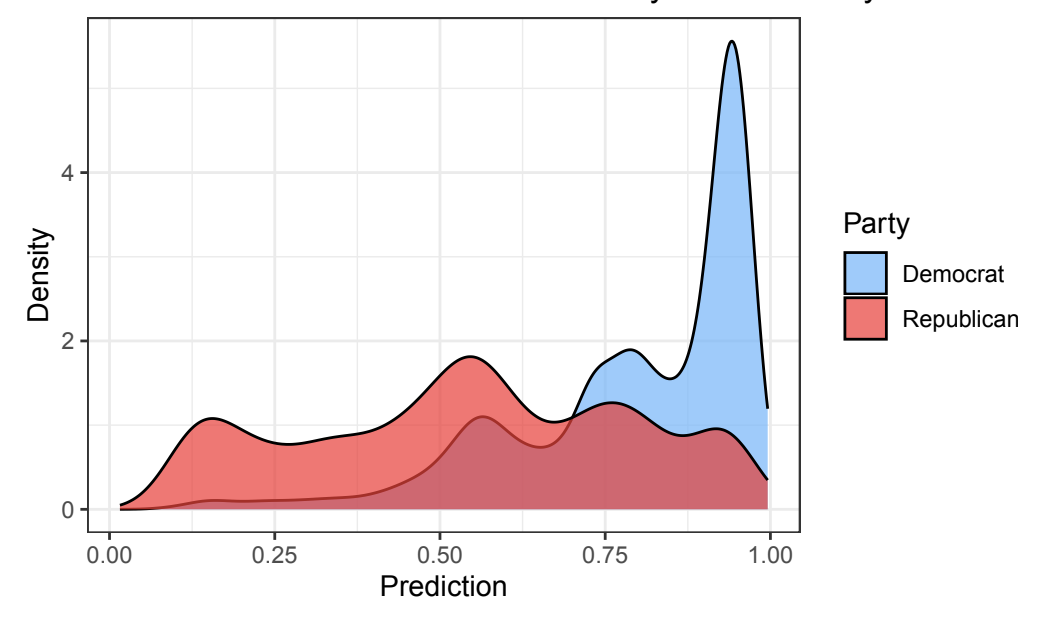
Used an RNN on the title and summary of a bill in New York State Congress to predict whether or not the sponsor is Republican or Democrat. Many report that the legislature in New York is becoming increasingly conservative. Our model allows us to predict on a scale between 0 and 1 how conservative a bill is based on its semantics.

Machine Learning
Bill Sponsorship

Hourly Weather Extraction

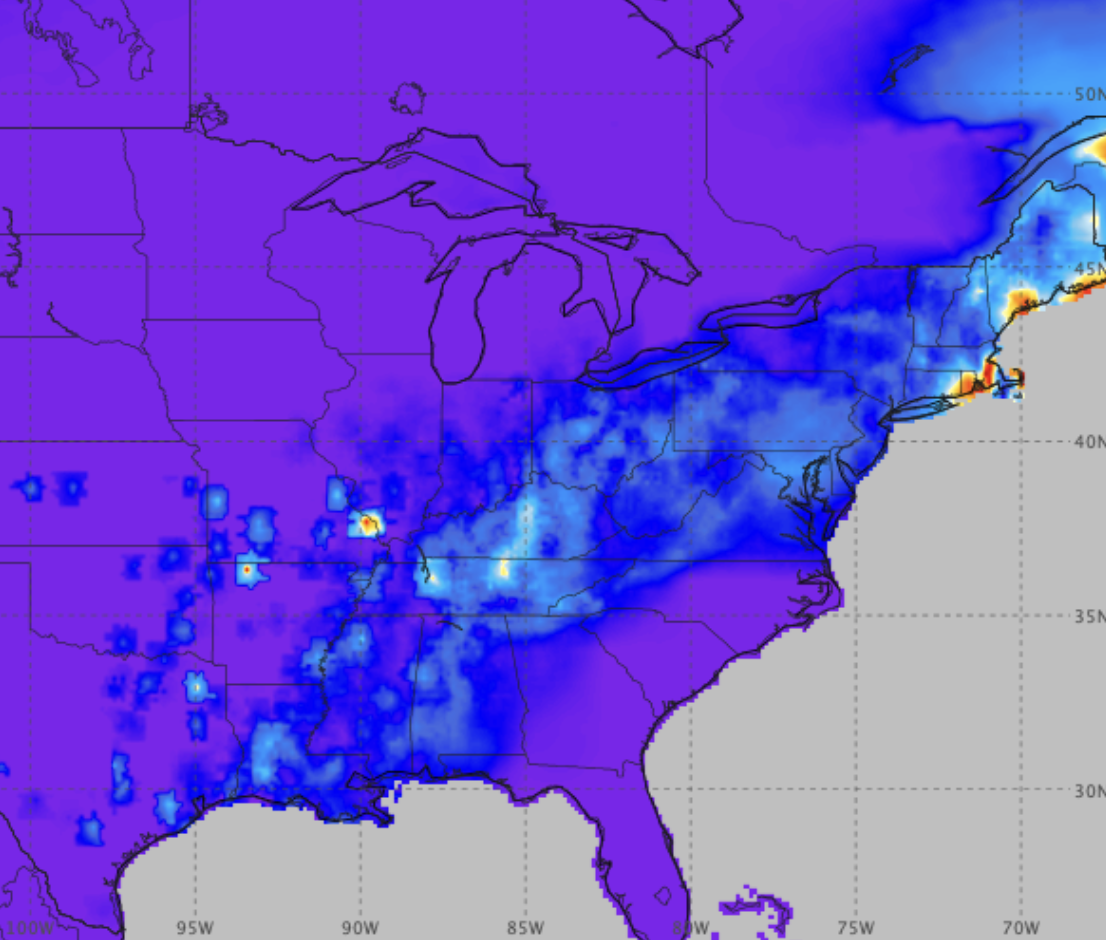
Inspired by the methodology of the  Weather Impact on Racial Composition and Citation Activity of Traffic Stops in the United States, the Weather Data extractor provides code to download hourly historical weather information from NASA's Earth Observing System Data and Information System for any specified bounding box within the United States. The data includes precipitation rates, temperature, wind speed, and direction.

Scraping
Weather Analysis

One vs. Two-year Statute of Limitation Impact Factsheet

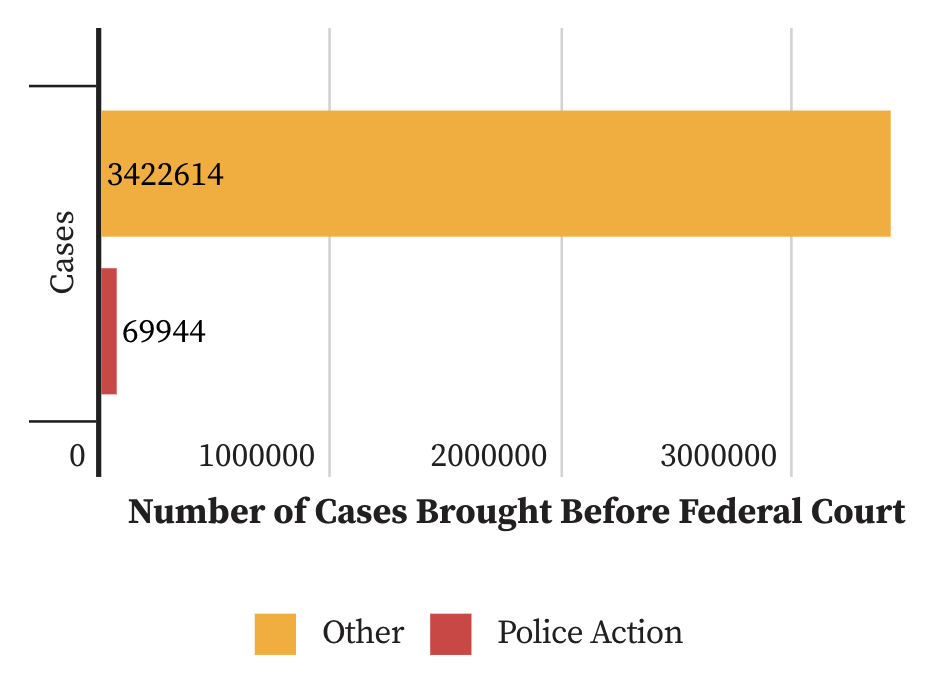
The One vs. Two-year Statute of Limitation Impact Factsheet analysis uses data scraped from Lex Machina to challenges the claim that shorter statutes of limitations lead to more meritorious cases. Our analysis suggests that extending the statute of limitations for police action cases in Louisiana could reduce court caseloads and result in more meritorious cases.

Visualization Analysis Scraping
Statute of Limitation Analysis

Testimony Generator

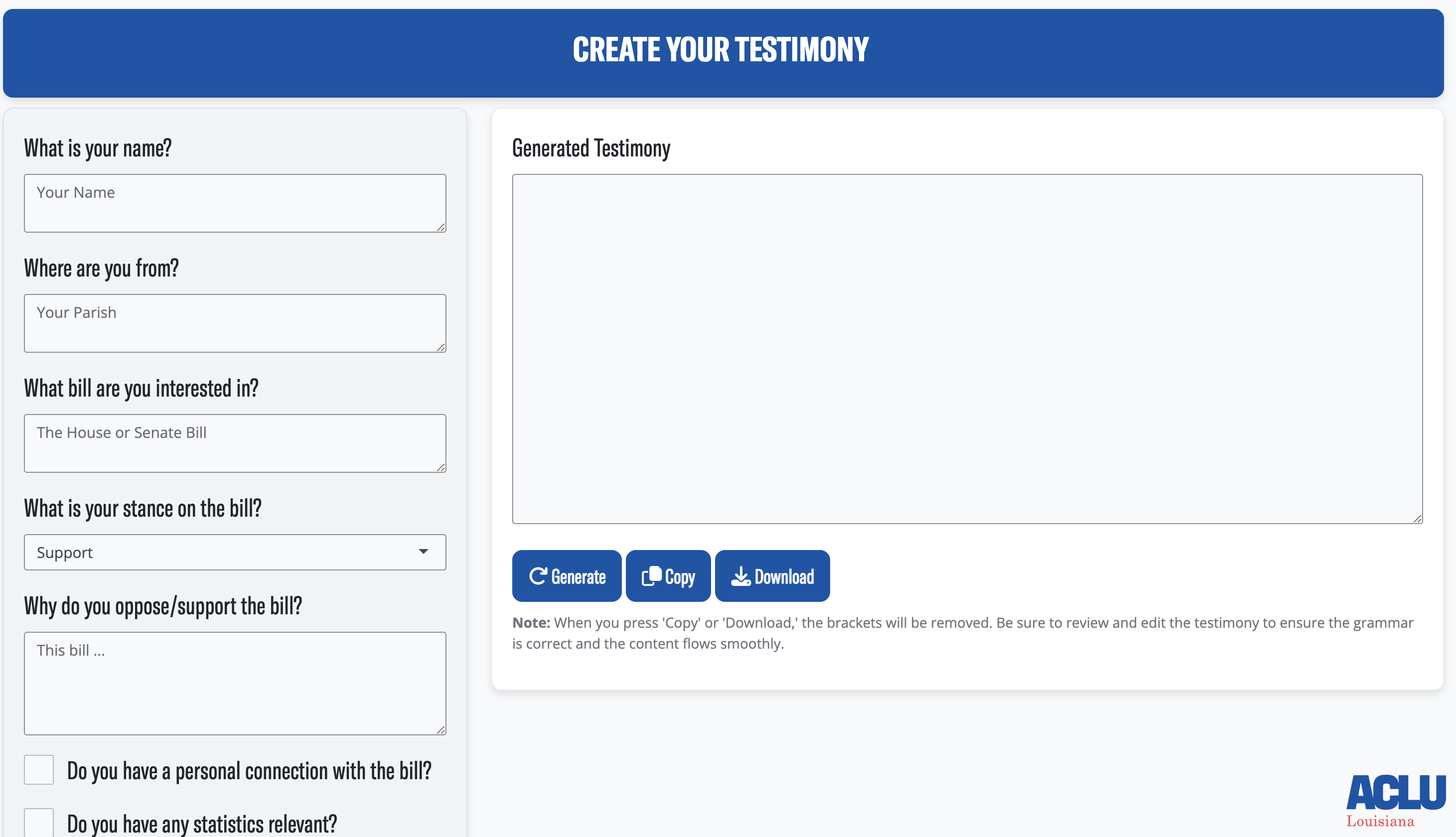
Built a website that generates personalized testimonies based on user input about a bill and their connection to it. This tool helps individuals quickly create effective and tailored testimonies. This tool is not yet public.

Visualization
Testimony Generator

Misdirection Model

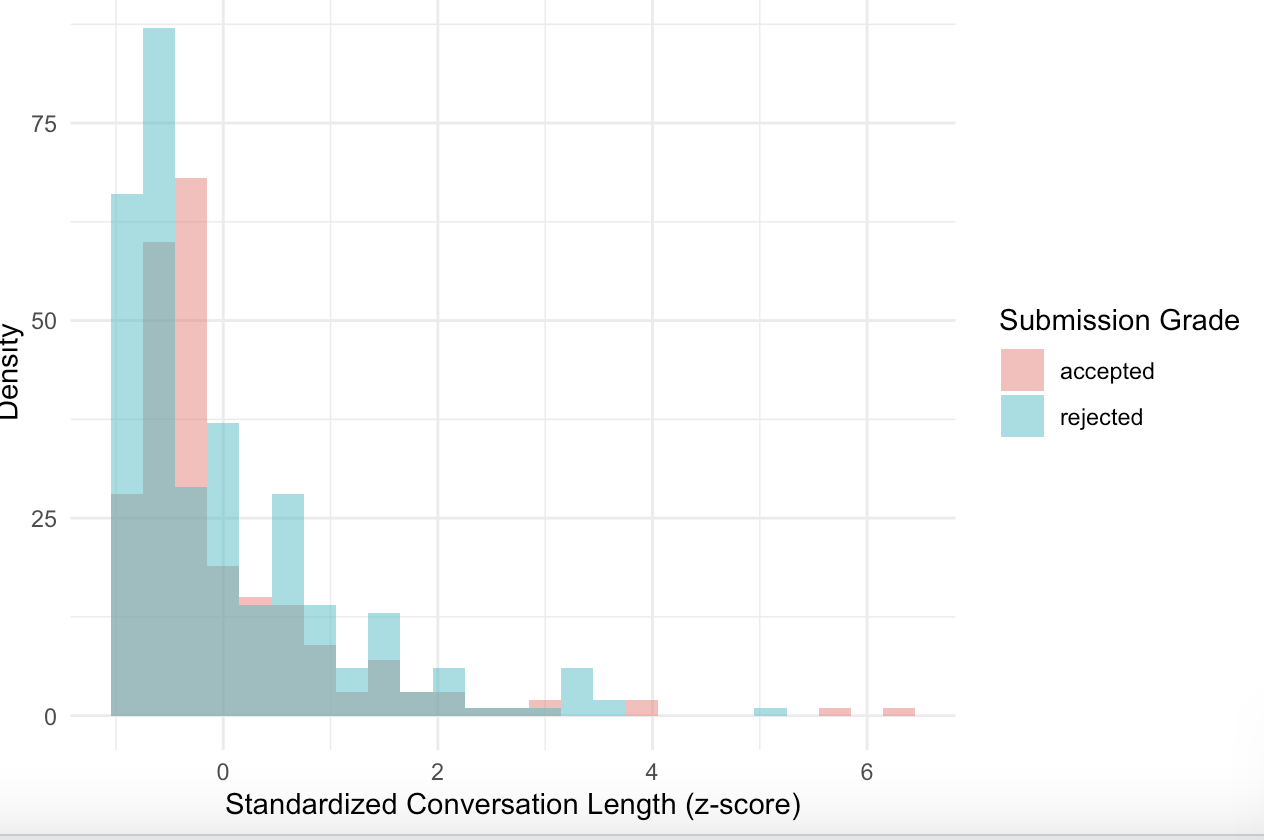
The predicting LLM misdirection algorithm was created for the inaugural Humane Intelligence Algorithmic Bias Bounty hackathon. This predictive model is a fine-tuned version of distilbert-base-uncased model on a dataset of LLM misdirections.

Machine Learning
misdirection

Law Enforcement Agency Locator

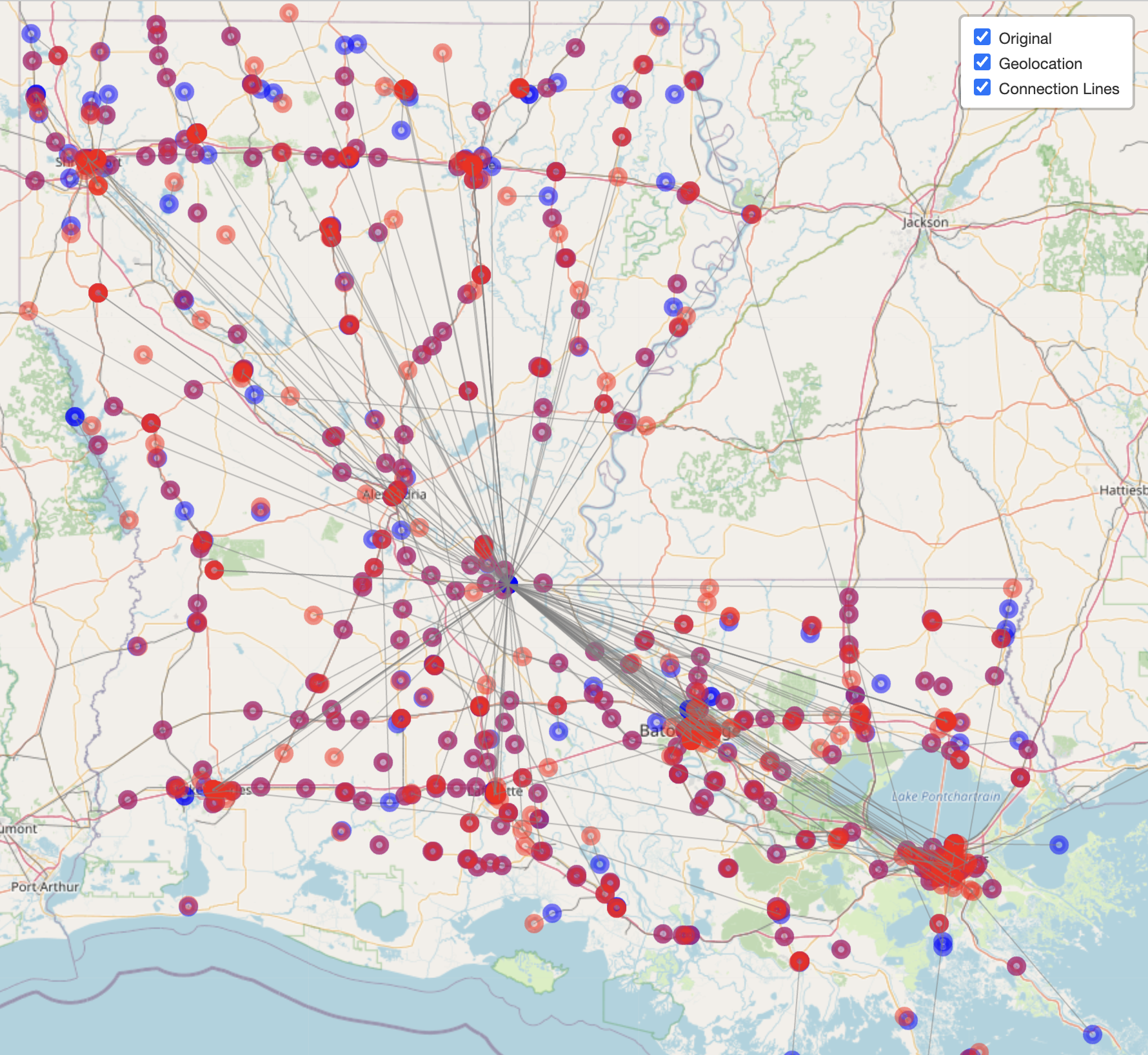
The Law Enforcement Agency Locator analysis uses the Google Maps API to determine the latitude and longitude of all law enforcement agencies in Louisiana. This tool addresses discrepancies in previous mappings of law enforcement agency locations in the state.

Analysis Scraping
Law Enforcement Agency Locator

How Many Within Function

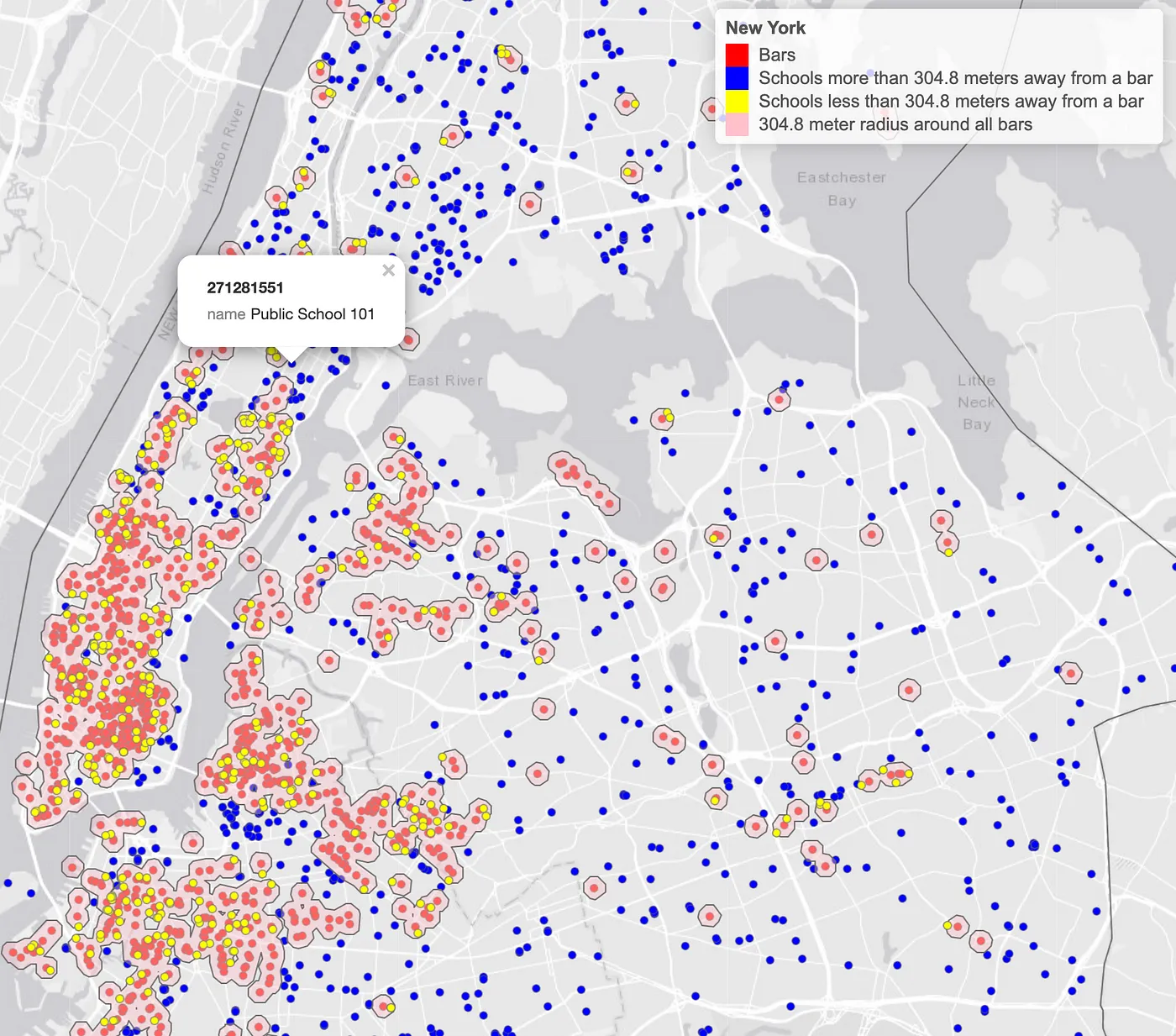
Created as a supplement to the “How Many Xs Are Within Y Meters of at Least One Z?” blog post, the How Many Within code uses OpenStreetMap data to count the number of amenities within a set distance from each other. This function is useful for spatial analysis in urban planning and public services.

Analysis
How Many Within Function

Pebbling a Chessboard Game

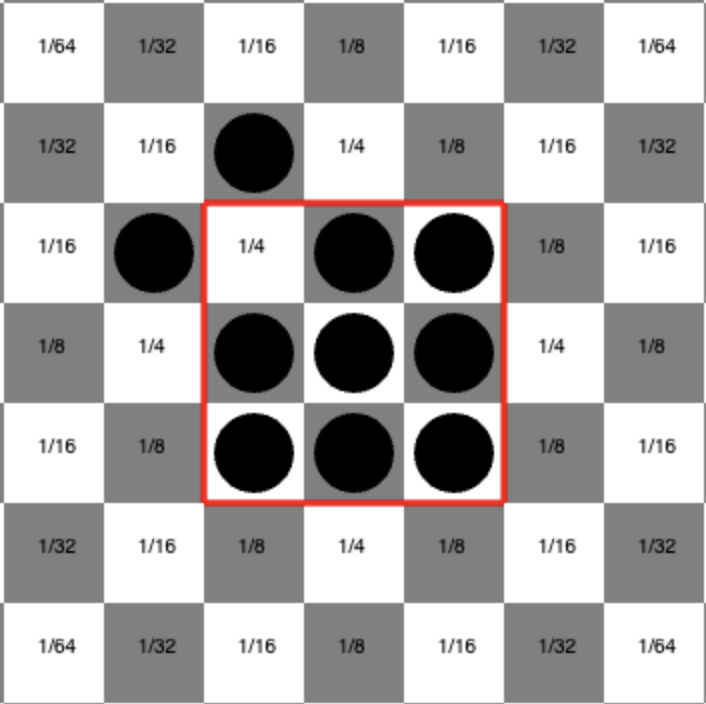
Inspired by the fascinating mathematics problem of pebbling a chessboard, this simple Java video game takes the task to a new level providing an entire board and asking the player to escape the red bounding box.

Visualization
Pebbling

MBMBAM Transcript Analysis

The MBMBAM Transcript Analysis provides code to scrape, clean, and analyze transcripts from the podcast "My Brother, My Brother, and Me." This NLP task allows us to gain critical insights about the semantic relationships between the three hosts.

Scraping Analysis
MBMBAM Transcript Analysis